What Should Filipino Parents Do When School Violence Is in the News?
When school violence is in the news, many Filipino parents feel worried, confused, and even helpless. We send our children to school expecting them to learn, make friends, and grow in a safe environment. So when we hear about serious violence involving students, weapons, threats, or harmful online influences, it is natural to ask:
“What should I do as a parent?”
Some people quickly blame video games. Others blame social media, school security, bullying, parenting, peer pressure, mental health, or easy access to weapons. But for parents at home, the more urgent question is not only who to blame. The more important question is:
How can we guide, protect, and talk to our children before small warning signs become bigger problems?
Hindi natin kontrolado ang lahat. But parents can still do many important things: talk to children calmly, listen more closely, monitor online spaces, take threats seriously, coordinate with schools, secure dangerous items at home, and teach children how to report concerns safely.
Quick Answer: What should Filipino parents do when school violence is in the news?
When school violence is in the news, Filipino parents should talk to their children calmly, ask what they have heard, listen to their fears, avoid graphic details, monitor online activity, take threats seriously, check school safety procedures, secure dangerous items at home, and report concerning behavior to the school or proper authorities.
Parents should avoid panic and blame, but they should also avoid ignoring warning signs. The goal is to create a home where children feel safe enough to talk, ask questions, and tell an adult when something feels wrong.
Why parents should talk about school violence carefully
Children may hear about school violence from classmates, social media, group chats, YouTube, TikTok, Facebook, or family conversations. Sometimes, they may know more than we think. Other times, they may misunderstand what happened and become more afraid.
Some children may ask direct questions:
- “Can that happen in my school?”
- “What if someone brings a weapon?”
- “Why would a student hurt other students?”
- “Should I still go to school?”
- “What should I do if I see something scary online?”
Other children may not ask anything, but their behavior changes. They may become quiet, anxious, clingy, angry, or suddenly afraid of school.
As parents, we do not need to have perfect answers. But we should create space for honest, age-appropriate conversations.
You can say:
“I heard there was sad news about school violence. Have you heard anything about it?”
Or:
“If you ever feel unsafe in school or online, you can always tell me. Hindi kita papagalitan for telling the truth.”
The goal is not to scare children. The goal is to help them feel safe, heard, and guided.
1. Ask what your child already knows
Before explaining anything, ask what your child has already heard.
You can ask:
- “What did you hear about it?”
- “Where did you hear that?”
- “Did someone show you a video or post?”
- “How did it make you feel?”
- “Do you have questions?”
This helps you understand whether your child is scared, confused, misinformed, or exposed to graphic content.
Avoid starting with a long lecture. Listen first.
Minsan, ang kailangan muna ng bata ay hindi explanation, kundi assurance na safe silang magsalita.
2. Keep the conversation age-appropriate
Younger children do not need graphic details. They need simple reassurance and clear safety reminders.
For younger kids, you can say:
“Something sad happened in a school. The adults are working to keep children safe. If you ever feel scared or see something dangerous, tell your teacher or tell us right away.”
For older children and teenagers, you can talk more directly but still calmly:
“There are reports of school violence, and it is important that we talk about safety, online behavior, threats, and what to do if you see something concerning.”
Older kids may already see videos, memes, comments, or discussions online. Do not assume they are untouched by the news. Ask and listen.
3. Do not show or share graphic videos
If an incident was recorded, livestreamed, or shared online, do not show it to children. Also avoid forwarding graphic videos, screenshots, or violent posts in group chats.
Sharing disturbing content can:
- scare children
- spread trauma
- disrespect victims and families
- encourage copycat attention
- make violence feel like entertainment
- expose children to images they cannot process
If your child already saw a video, stay calm. Ask what they saw and how they feel. Reassure them that they can talk to you.
You can say:
“I’m sorry you saw that. That kind of video can be very upsetting. Let’s talk about it, and you do not need to watch it again.”
4. Take threats seriously, even if they sound like jokes
One important lesson for parents and students is this:
Threats should not be treated as normal jokes.
If a child says or posts things like:
- “I will hurt someone.”
- “I will bring a weapon.”
- “They will regret this.”
- “I want to attack the school.”
- “I want to kill myself.”
- “I want to kill others.”
- “Watch what happens tomorrow.”
Do not dismiss it as drama, attention-seeking, or “biro lang.”
It may still turn out to be a bad joke, but adults should check and report it properly. Mas mabuti nang maingat kaysa magsisi sa huli.
Teach your child:
“If someone makes a threat, do not share it as gossip. Tell a trusted adult immediately.”
Trusted adults may include:
- parents
- teachers
- guidance counselor
- school principal
- class adviser
- school security
- proper authorities, if there is immediate danger
5. Watch for behavior changes
Not every quiet child is dangerous. Not every gamer is at risk. Not every angry child will hurt someone.
But parents should pay attention when several concerning signs appear together or become intense.
Watch for changes such as:
- sudden isolation
- extreme anger or revenge talk
- fascination with weapons or violence
- threats toward self or others
- cruelty toward people or animals
- obsession with violent content
- sudden drop in school performance
- giving away belongings
- talking about hopelessness
- saying nobody cares
- being bullied or bullying others
- secretive online activity
- joining harmful online groups
- posting disturbing messages or images
If you notice serious signs, do not handle it alone. Talk to the school guidance office, a mental health professional, a pediatrician, or appropriate authorities depending on the situation.
Hindi ito chismis. Safety concern ito.
6. Talk about online spaces without panic
Many parents are now asking about video games, Roblox, Discord, Telegram, livestreaming, online groups, and violent content.
It is understandable. Children and teenagers spend a lot of time online, and some harmful spaces can expose them to violent language, bullying, extremist ideas, self-harm content, or peer pressure.
But it is also important not to blame one app or one game too quickly. Not every child who plays games becomes violent. Not every online community is harmful. The better approach is to stay involved and aware.
Ask:
- What games does my child play?
- Who do they talk to online?
- Are they in private group chats?
- Do they use Discord, Telegram, or other chat apps?
- Are they exposed to violent or hateful content?
- Do they hide screens when I pass by?
- Are strangers messaging them?
- Are they being bullied online?
- Are they bullying others?
- Are they joining groups that glorify violence?
The goal is not to spy on every move forever. The goal is to build trust and set boundaries.
You can say:
“I respect your privacy, but online safety is still part of my responsibility as your parent.”
7. Set clear rules for games, chats, and social media
Children need guidance online, not just gadgets.
Set family rules such as:
- no secret accounts for young children
- no private chats with unknown adults
- no joining violent or hateful groups
- no sharing violent videos
- no posting threats, even as jokes
- no bullying or humiliating classmates online
- parents should know the apps being used
- screen time should not replace sleep, school, chores, and family time
For younger children, parents should be more hands-on. For teenagers, the rules can include more conversation and responsibility, but boundaries still matter.
You can say:
“We are not banning everything just to control you. We are setting rules because online choices have real-life consequences.”
8. Secure dangerous items at home
Parents should also look at the home environment.
If there are firearms, knives, sharp tools, airsoft guns, chemicals, medicines, or other dangerous items at home, they should be stored securely and kept away from children.
This is especially important if there are children or teenagers in the home who are struggling emotionally, showing violent behavior, or making threats.
Safety at home means:
- children should not have access to firearms
- weapons should not be treated as toys
- dangerous tools should be stored properly
- medicines and chemicals should be secured
- parents should know what items children can access
- older siblings’ items should not be accessible to younger children
Huwag isipin na “hindi naman gagawin ng anak ko.” Safety precautions are not an insult to your child. They are part of responsible parenting.
9. Ask the school about safety procedures
Parents also have the right to ask schools about safety.
You can ask:
- What is the school’s visitor policy?
- How are students checked when entering campus?
- What happens if a student reports a threat?
- Is there a guidance counselor?
- How does the school handle bullying?
- What is the protocol for weapons or dangerous items?
- How are parents informed during emergencies?
- Where should students go if they feel unsafe?
- Who should parents contact for urgent concerns?
You do not need to sound accusatory. Ask respectfully but clearly.
Example:
“We are concerned about school safety. Can you please remind parents about the school’s safety procedures and reporting channels?”
A good school should welcome responsible safety questions.
10. Teach children how to report concerns
Children need to know what to do if they hear something scary.
Teach them:
- Do not ignore threats.
- Do not treat threats as jokes.
- Do not forward violent videos.
- Do not confront the person alone.
- Do not post about it for attention.
- Tell a trusted adult immediately.
- If there is immediate danger, follow school safety instructions and seek help.
Give them simple words they can use:
“Teacher, I heard something that made me worried.”
“Mom, someone posted something scary.”
“I don’t know if it is serious, but I think an adult should know.”
Children may hesitate because they do not want to be called a “sumbongero” or “OA.” Reassure them:
“Telling an adult about safety is not tattling. It is protecting people.”
11. Watch how your child talks about violence
Sometimes, children repeat violent jokes, memes, or phrases without fully understanding them.
Instead of reacting with instant anger, ask questions first:
- “Where did you hear that?”
- “What does that mean to you?”
- “Do you think that is funny or serious?”
- “How would someone feel if they heard that?”
- “Do you understand why that can scare people?”
Then explain clearly:
“We do not joke about hurting people. Even if you do not mean it, threats can make people afraid and can lead to serious consequences.”
Children need to understand that words online and offline matter.
12. Help children handle fear
Some children may feel afraid after hearing about school violence.
They may ask:
- “Am I safe?”
- “Will it happen in my school?”
- “What if someone bad comes in?”
- “What if my friend brings something dangerous?”
Do not dismiss their fear by saying, “Wala ‘yan” or “Don’t think about it.” Instead, acknowledge the feeling and give reassurance.
You can say:
“I understand why you feel scared. News like that can be upsetting. Your school and the adults around you have safety rules, and we will also talk about what you can do if you feel unsafe.”
You can also help your child focus on what they can control:
- stay near trusted adults
- follow school instructions
- report concerns
- avoid sharing scary videos
- talk to parents
- be kind to classmates
- avoid fights and bullying
The goal is to reduce fear by giving guidance, not by pretending nothing happened.
13. Strengthen connection at home
One of the most important things parents can do is build daily connection.
Children are more likely to speak up when they feel heard at home.
Simple ways to connect:
- eat together when possible
- ask about their day
- listen without always correcting
- notice mood changes
- ask about friends
- know their online interests
- pray together if that is part of your family life
- create small routines before bedtime
- avoid making every conversation a lecture
You can ask:
- “Who did you spend time with today?”
- “Was anything hard today?”
- “Did anyone make you uncomfortable?”
- “What are people talking about in your group chat?”
- “Is there anything you are afraid to tell me?”
Minsan, one calm conversation can open a door that shouting never could.
14. Respond early to bullying
Bullying can deeply affect children. It can make them feel angry, ashamed, isolated, or hopeless. It can also make school feel unsafe.
Parents should take bullying seriously, whether the child is being bullied, witnessing bullying, or participating in bullying.
Ask the school about its anti-bullying process. Keep records of incidents when needed. Teach children not to humiliate, threaten, or exclude others online or in person.
If your child is the one bullying others, do not ignore it. Address it early. Children need accountability, guidance, and help understanding the harm they are causing.
Safety is not only about gates and guards. It is also about the emotional environment children experience every day.
15. Know when to ask for help
Some situations need help beyond normal parenting conversations.
Seek help if your child:
- talks about self-harm
- talks about hurting others
- makes threats
- shows extreme anger or hopelessness
- becomes obsessed with violent content
- withdraws completely
- is being severely bullied
- is harming animals or people
- has access to weapons
- posts disturbing messages online
- shows sudden serious behavior changes
You can start with:
- school guidance counselor
- class adviser
- school principal
- pediatrician
- mental health professional
- trusted family support
- local emergency services if there is immediate danger
Do not wait for the situation to become worse. Mas okay nang humingi ng tulong nang maaga.
Simple checklist for Filipino parents
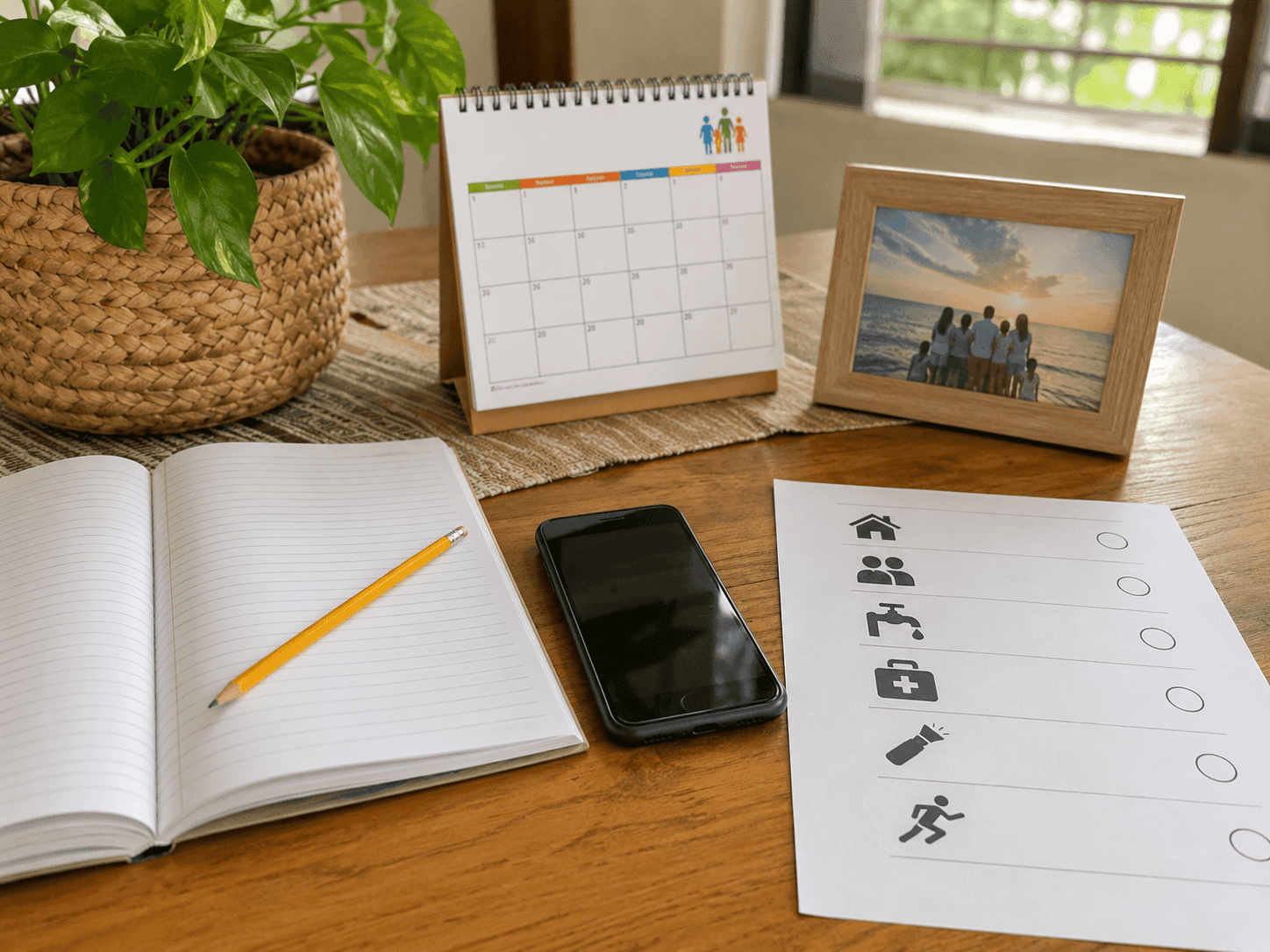
When school violence is in the news, use this checklist:
- Ask what your child has heard.
- Listen before explaining.
- Avoid graphic details.
- Do not share violent videos or screenshots.
- Take threats seriously.
- Watch for behavior changes.
- Check online spaces and group chats.
- Set rules for games, apps, and social media.
- Secure dangerous items at home.
- Ask the school about safety procedures.
- Teach your child how to report concerns.
- Talk about bullying.
- Seek help if there are serious warning signs.
Hindi kailangan maging paranoid. But we should be present, aware, and ready to act when something feels wrong.
Frequently Asked Questions
How should I talk to my child about school violence?
Start by asking what your child already knows. Listen calmly, correct misinformation gently, and avoid graphic details. Reassure your child that they can always talk to you if they feel unsafe or confused.
Should I stop my child from playing shooting games?
Not every child who plays shooting games becomes violent. But parents should still check whether the game is age-appropriate, how long the child plays, who they talk to online, and whether the content affects their behavior. If a game or online group encourages threats, cruelty, obsession with violence, or harmful behavior, parents should step in.
Should Roblox, Discord, Telegram, or gaming apps be banned at home?
A full ban may be needed for younger children or if the platform is being used unsafely. For older children and teens, parents should set clear rules, check privacy settings, know who they are talking to, and watch for harmful groups or content. The issue is not only the app, but how the child uses it and who influences them there.
What should I do if my child sees a violent video online?
Stay calm. Ask what they saw and how they feel. Tell them not to watch it again, not to forward it, and not to share it with friends. If the video involves a real threat or crime, report it to the platform, the school, or appropriate authorities.
What should my child do if a classmate makes a threat?
Teach your child to tell a trusted adult immediately. They should not treat threats as jokes, forward screenshots for gossip, or confront the person alone. Reporting a safety concern is not being OA; it is protecting people.
How can parents help prevent school violence?
Parents can help by building open communication at home, monitoring online spaces, addressing bullying early, securing dangerous items, taking threats seriously, coordinating with schools, and seeking help when a child shows serious emotional or behavioral warning signs.
What should I ask my child’s school about safety?
Ask about visitor rules, gate security, reporting channels, guidance services, anti-bullying procedures, emergency communication, and what students should do if they feel unsafe or hear a threat.
Final Thoughts
When school violence is in the news, it is normal for parents to feel afraid. But fear alone will not help our children. What helps is calm guidance, open communication, early action, and shared responsibility between parents, schools, communities, and authorities.
We do not need to blame one thing too quickly. We need to pay attention to the whole picture: home life, school environment, bullying, mental health, online spaces, access to dangerous items, and whether children feel safe enough to speak up.
As Filipino parents, we can start at home. Talk more. Listen better. Check online spaces. Take threats seriously. Secure dangerous items. Work with the school. Teach children that telling a trusted adult about danger is not wrong.
Hindi natin kontrolado ang lahat, pero may magagawa tayo. One calm conversation, one early report, one safety check, or one moment of listening can matter more than we realize.
For more practical parenting articles, visit our Parenting Guides for Filipino Moms page.
You may also find helpful home and family guidance in our Mom Life & Home Guides for Filipino Moms page.

How Do Filipino Parents Choose the Right School for Their Child?

How Can Filipino Parents Teach Children Responsibility Without Shouting?

What Should Parents Put in a Healthy Baon for School Kids?
About Author

PinayMom
Margot is the voice behind PinayMom, where she shares practical parenting guides, mom-life tips, family reviews, seasonal Philippine guides, and family travel stories from a Filipino family perspective.